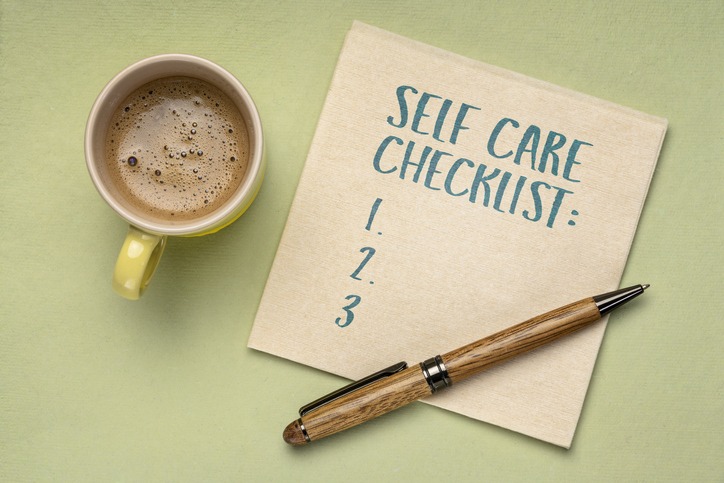
We believe that true wellness isn’t about forcing a smile. It’s about giving yourself real space to feel, to process, and to recover – especially when your mind and emotions are carrying the weight of everyday life. This approach goes beyond the superficial “just be positive” story and honours your full emotional spectrum.
Embrace space for all emotions
Wellness culture often pressures us to skip over discomfort (“think positive!”) or to always present a cheerful front. But our emotions are more nuanced – anxiety, frustration, grief, overwhelm – they’re part of being human. While a gratitude journal and a mental reset are great tools, sometimes you just need to feel all the feels and let it out.
Choosing a spa ritual isn’t only about “treating yourself” – it’s about honoring what you’re really feeling and using touch, presence and ritual to support your mental landscape. The spa is a place to heal, physically and mentally.
Spa practices that do more than pamper
Here are three spa-ritual approaches that you’ll find across our partner locations – each one opening up a path to deeper emotional and nervous-system support.
1. Guided Breathwork & Mindful Release
Mindful breathing isn’t new, but in a spa setting it becomes a full-bodied reset. Breathwork helps regulate stress, lower anxiety, and bring the body into balance.
Look for treatments that incorporate a breath-oriented moment: before your massage starts, your therapist may guide you through 2–3 grounding inhales-exhales, helping the nervous system shift from “on alert” to “release mode.”
2. Therapeutic Massage with Mental Health Benefits
We often think of massage for muscle tension – and it is. But it also lowers cortisol, raises serotonin, and improves sleep quality.
Choose a therapist or style that’s tuned for emotional & nervous-system support (not just “deep tissue”). The benefit? Physical release can lead to mental clarity and emotional relief.
3. Energy-Healing & Gentle Therapeutic Rituals (e.g., Reiki)
Energy-work like Reiki may feel more subtle than massage, but it offers an invitation to emotional release and inner calm. Reiki encourages emotional release, relieves stress, and promotes a sense of inner peace.
Look for partner spas offering energy-healing add-ons, intuitive bodywork, or somatic rituals – especially if you’re seeking something less mainstream and more reflective.
How to make your spa visit count
- Choose with intention. Instead of “I deserve this” or “I’ll feel better after,” go in asking: What do I need to feel right now? Tension? Overwhelm? Space to think?
- Ask your therapist up front. Let them know you’re there for mental wellness, not just the “relaxing treatment.” A good practitioner will adjust the session (pace, touch, silence) accordingly.
- Give yourself buffer time. After your session, allow 10-15 minutes to ease back into your day – sip tea, sit quietly, take a gentle walk. This lets the body and mind integrate the work.
- Reflect, don’t suppress. If emotions come up (sadness, fatigue, relief), let them register. Write a line in your notes, do 5 minute journaling, or simply notice how you feel.
- Make it part of your rhythm. One spa visit can help, but layering in regular mind-body rituals (breathwork, bodywork, stillness) builds lasting resilience.
Why this matters for you
Because the pressure to always be positive is real – and it can actually stall meaningful recovery. According to VeryWellMind, “toxic positivity is the belief that people should maintain a positive mindset no matter how dire or difficult a situation is.”
But when you choose a spa experience with depth, you’re saying: “Here’s my reality. I’m going to honour it.” That’s where real growth and renewal begin.